

Auctions
We offer a diverse and exciting calendar of over 70 specialist auctions per annum as well as single owner collections and house sales.


Valuations
Our valuation services include: free online auction valuations, virtual valuations, home visits and valuation days at our salerooms, where clients can receive advice on selling at Dreweatts from our market-leading specialists.


News & Videos
Keeping you up to date with auction news, highlights, videos and events from Dreweatts.
Highlights


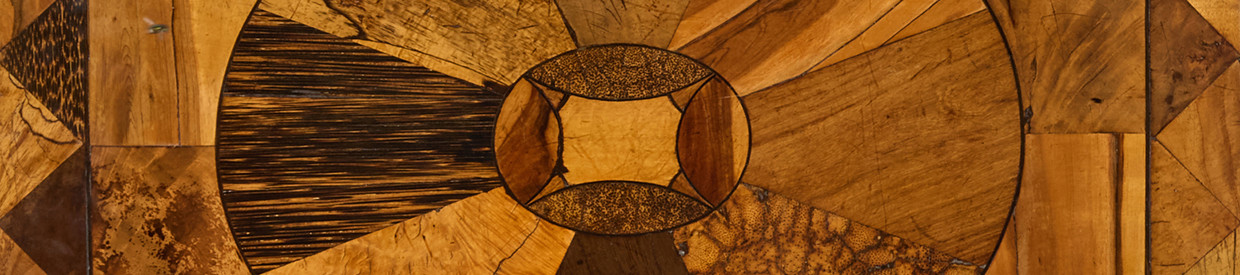
Ceylonese Furniture: Timber, Craftsmanship and Global Trade
Coming up on Wednesday 23 September, we are pleased to be offering a private collection from a London apartment in our auction Park View. Carefully amassed over forty years, the collection is very much a portrait of its collector and illustrates his deep knowledge and fascination with fine furniture and the broader decorative arts. The collection includes a small curated selection of Ceylonese furniture. Here, we take a look at the tradition of Ceylonese furniture, from the timber and craftsmanship, to it becoming a global trade.

Timber & Craftsmanship
Sri Lanka has long been renowned for the variety and beauty of its cabinet woods, including teak, nedun, satinwood, ebony and calamander, among others. During the 17th and 18th centuries, Ceylonese furniture was heavily influenced by Western design, reflecting the successive Portuguese, Dutch and British occupations of the island. A distinctive hybrid style emerged, combining local woodworking skills and indigenous materials with the forms and decorations that characterised European taste. In time, a flourishing furniture-making industry became established on the island.

A Global Trade
Much of the furniture produced in Sri Lanka, then known as Ceylon, during this period was intended for local consumption by colonial officials, planters, merchants and high-status Sinhalese patrons. However, an export trade was soon established, as evidenced by the recording of furniture in ‘Ledgers of Exports from Colonies’ and the recording of the sterling value of ‘cabinet ware’ from Ceylon to Great Britain, Mauritius, the African ports in the Red Sea, and India.

A small quantity of furniture from Ceylon was sent for display at the Great Exhibition in London in 1851 and at the Paris International Exposition in 1855. At the Paris Exposition, furniture was exhibited alongside samples of the many woods available on the island, highlighting the richness and variety of its natural materials. In 1857, two pieces from the Great Exhibition were donated to the South Kensington Museum, now the Victoria and Albert Museum. Such exhibitions and museum acquisitions helped to heighten British interest in Ceylonese furniture, at a time when the materials, commodities and distinctive visual language of the East were increasingly admired in Britain.

Further collection highlights


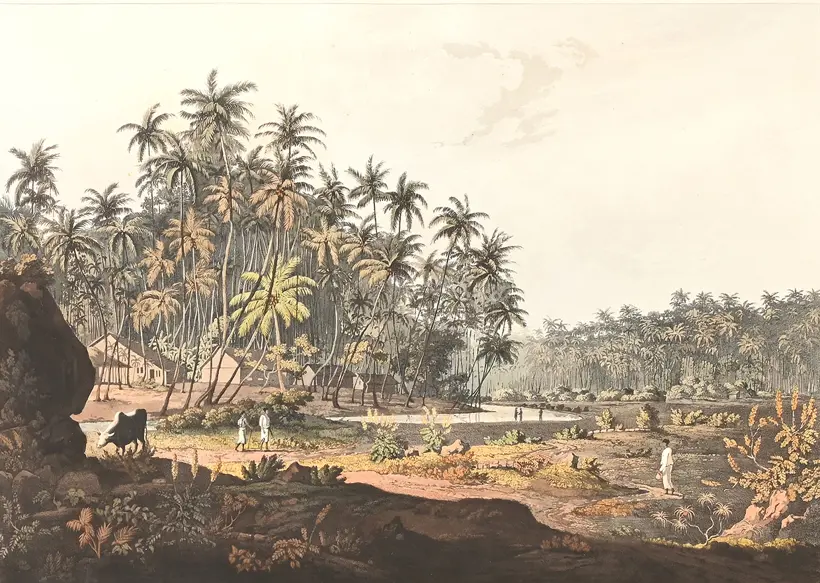
View page turning catalogue
Auction Details
Wednesday 23 September, 10.30am BST
Donnington Priory, Newbury, Berkshire RG14 2JE
Browse the auction
Sign up to email alerts
VIEWING:
- Viewing at Dreweatts London (highlights): 16-17 Pall Mall, SW1Y 5LU
- Monday 7 September: 10am-4pm
- Tuesday 8 September: 10am-4pm
- Wednesday 9 September: 10am-4pm
- Viewing at Dreweatts Newbury (full sale): Donnington Priory, RG14 2JE
- Saturday 19 September: 10am-3pm
- Sunday 20 September: 10am-3pm
- Monday 21 September: 10am-4pm
- Tuesday 22 September: 10am-4pm
- Wednesday 23 September: 10am-4pm
Further Information:
General enquiries: + 44 (0) 1635 553 553 | housesales@dreweatts.com
Press enquiries: press@dreweatts.com
Request an Online Valuation

Get a free auction valuation from our specialists. Complete our easy online form and upload photos of your items.
Start Valuation


